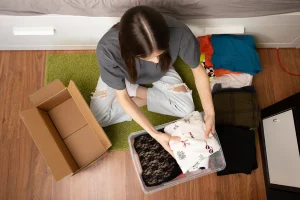


Moving into student halls or a shared flat can feel overwhelming and very new, especially if you are the kind of person who recharges in silence, not in a crowd. But here is the good news: communal living can absolutely work for introverts. You just need a plan that protects your energy while still allowing you to enjoy university life.
Not every night needs to feel like a full-on social gathering. It is important to recognise when you need to take a step back and remind yourself that it is okay. It is also important to remember that you will not be alone in feeling this way. For many people, the change in routine is a lot to process. Building new relationships on top of studying can feel exhausting at times. You are not unusual for feeling this way; you are adjusting.
Why It Feels Overwhelming and Why That Is Normal
When you are used to a certain home routine, the sudden switch to living with flatmates can feel socially intense. Add new lectures, new expectations and new responsibilities, and your social battery can feel drained before the evening even begins. That is completely okay.
Your mind and body are processing a lot of change at once. Forcing yourself to attend every social event can push you closer to burnout rather than connection. That is why acknowledging how you feel, understanding why it happens and actually listening to yourself matters.
Here are a few ways to stay socially connected while still protecting your energy.
1. Choose & Create a Space That Feels Like Yours
Where you live matters more than you think.
When thinking about where you want to live, it is important to think about your space. If you are introverted, that space will be your safe zone. Here at u-student, we have fully furnished rooms ready for you to make your own. If your budget allows, an en suite room can offer privacy without isolating you completely.
But it is not just about the room itself; it is how you decide to make it feel like home. Your room is more than just somewhere to sleep. It is your reset button.
Add soft lighting.
Keep it tidy in a way that feels calming.
Have a playlist, book or comfort routine ready for busy days.
Knowing you have a peaceful space to return to makes shared kitchens and social moments feel much less overwhelming.
2. Be Honest About Your Energy
Communal living runs more smoothly when expectations are clear from the beginning. Most flatmates appreciate clarity and communication.
Let them know early on that you sometimes need quiet evenings to recharge. You do not need to make a big announcement; just keep it simple.
“I might disappear into my room some nights to recharge, but I am always up for a catch-up.”
Being open removes pressure and prevents misunderstandings. It also makes it easier for others to share their own preferences, too.
3. Choose Quality Over Quantity
When it comes to socialising in a shared flat, it is easy to feel like you should say yes to everything. Flat nights out. Last-minute takeaways. Every group plan in the chat.
But communal living is not about being present at every event, it is about building connections in a way that feels natural and sustainable for you.
As an introvert, your energy works best when it is used intentionally. You do not need constant plans to feel included, a few meaningful moments can go much further than a packed social calendar.
That might look like:
One dinner together during the week.
One relaxed film night in the kitchen.
One shared study session before exams.
These smaller moments often lead to the best conversations and the strongest friendships. Being selective does not make you distant; it simply means you are choosing connection in a way that allows you to show up fully and enjoy it. And when social time feels manageable, it becomes something you look forward to rather than something you feel pressured to attend.
4. Use Small Signals to Protect Your Recharge Time
In shared living, you will not always want to explain that you are feeling drained. The good news is, you do not have to. Sometimes it is the small, everyday signals that make the biggest difference.
Communal spaces can be busy, especially after lectures and social events. Permitting yourself to slow down before stepping back into that environment can help you feel more balanced.
Simple habits can go a long way:
Put your headphones on when you are winding down.
Send a quick message in the group chat to say you are having a quiet night.
Take a short walk after lectures to reset before heading home.
These small actions create breathing space without creating distance. Protecting your recharge time is not about withdrawing from your flatmates; it is about making sure you have the energy to enjoy shared moments when you choose to join in.
5. Remember That Everyone Feels a Bit Unsure
Even in the most social flat, there will be moments when people want a bit of peace and quiet. Starting university is a big adjustment for everyone, not just introverts. New routines, new people and a new living environment take energy. It is completely normal to feel a little drained while you settle in.
It can sometimes feel like you are the only one who needs space, but that is rarely the case. Many students are figuring out their own balance between social time and downtime.
When you feel confident about your own rhythm, it naturally creates a more relaxed atmosphere in the flat. Choosing quiet when you need it shows that it is okay for everyone to do the same.
6. Appreciate the Unexpected Benefits
It is a myth that you have to be the loudest person in the room to enjoy shared spaces. In reality, communal living often creates the kind of connection that feels natural rather than forced.
You can have spontaneous chats without planning big events.
You can build strong friendships in small, natural moments.
You can enjoy being around people without always leading the conversation.
Shared living offers connection without constant effort. There is something comforting about knowing that if you feel like company, you only have to step into the kitchen. No pressure, no formal invitations. Just everyday life happening around you.
Some of the best uni memories are not made at huge parties, but during casual kitchen conversations at 10 pm. Someone is cooking pasta, someone else is making tea. You end up talking about your day, your hometown, or the random stress of deadlines. Those small, ordinary moments quietly turn into the friendships that carry you through the year.
For introverts, that kind of environment can feel ideal; you can dip in and out. Join when you have the energy and retreat when you need to recharge.
7. Give Yourself Permission to Grow
University is a time of gentle stretching. Not a complete reinvention, no pressure to become someone louder or more outgoing, but instead a gradual widening of your comfort zone.
Over time, you may begin to surprise yourself. As you get used to your new routine and environment, you might find yourself staying in the kitchen a little bit longer, or joining in more flat activities. Or you might simply learn about your social energy, and work out the balance that suits you.
Both are wins. Growth at university is not always about becoming more. Sometimes it is about becoming clearer, clearer on your limits and clearer on what genuinely makes you feel good.
Final Thought: You Do Not Have to Change Your Personality to Fit In
Communal living will not always feel effortless, especially at the beginning. There will be noisy evenings, busy kitchens and days when your social battery feels lower than you would like. But there will also be laughter drifting down the hallway, familiar faces to come home to and small moments of connection that make the space feel like more than just an accommodation.
The key is not to become a different version of yourself. It is to create a rhythm that works for you. Protect your energy, choose your moments, communicate openly. Let yourself grow gently, not forcefully.
University is not about attending everything or knowing everyone. It is about finding your people, building steady friendships and learning how to look after yourself in a new environment. When you approach communal living with self-awareness and balance, it becomes less overwhelming and far more rewarding.
You do not have to be the loudest in the flat to belong there. You just have to be yourself.